
Webinar: Global Presentation of the Botswana National Ecosystem Assessment
- 15 Jul 26
- 15 Jul 26
- Online (Zoom)
- 14:00
Background
Since its inception in 2017 and building on over 20 years of ecosystem assessment experience, UNEP-WCMC’s National Ecosystem Assessment Initiative (NEA Initiative) in partnership with UNDP and UNESCO through the Biodiversity and Ecosystem Network (BES-Net) has supported countries around the world to conduct or scope national ecosystem assessments.
Botswana launched its national ecosystem assessment project in August 2022 with support from the NEA Initiative and the BES-Net consortium. The assessment was coordinated by the Botswana University of Agriculture and Natural Resources (BUAN) in partnership with the Department of Environmental Protection, Ministry of Environment and Tourism. The assessment was part of the BES-Net Phase II project, with financial support from the International Climate Initiative (IKI) of the Federal Government of Germany. Within the Federal Government, the IKI is anchored in the Federal Ministry for the Environment, Climate Action, Nature Conservation and Nuclear Safety (BMUKN).
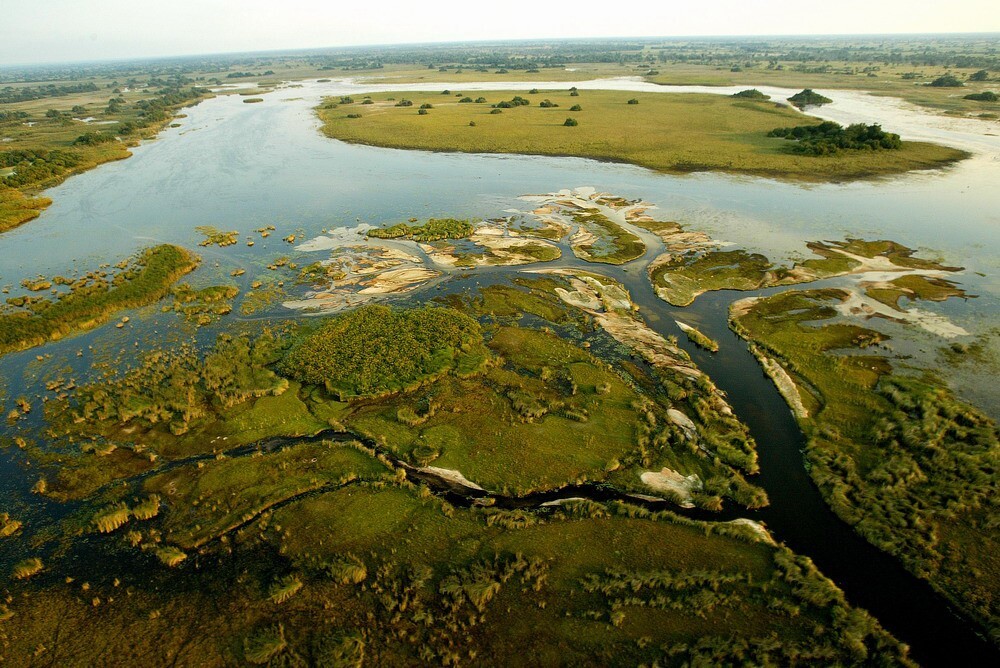
Botswana’s ecosystems are central to the country’s development, livelihoods, cultural identity and long-term resilience. From the Okavango Delta and other wetland systems to forests, rangelands, agroecosystems, desert landscapes and culturally significant hill ecosystems, nature underpins food security, water provision, tourism, rural economies, traditional and cultural practices and national well-being.
The Botswana National Ecosystem Assessment provides the country’s first comprehensive, evidence-based assessment of the current status/condition, trends and future pathways of Botswana’s ecosystems. The assessment brings together scientific evidence, spatial analysis, scenario modelling, socio-economic insights and Traditional and Local Knowledge gathered through participatory community dialogues.
The assessment highlights growing pressures from climate change, droughts, floods, land-use change, invasive species, pollution, overgrazing and unsustainable natural resource use. It also identifies opportunities to support green and blue economy pathways through sustainable tourism, community-based natural resource management, fisheries, sustainable forestry, ecosystem restoration, natural capital valuation and biodiversity finance.
This global webinar will present the key messages and policy-relevant findings of the Botswana National Ecosystem Assessment to an international audience. It will provide an opportunity to hear directly from the assessment team, government partners and stakeholders involved in the process, and to discuss how the findings can inform national planning, biodiversity action, climate resilience, sustainable livelihoods and future investment in Botswana’s ecosystems.
Download the Technical Report and Summary for Policymakers here.
Click here to download the webinar concept note and agenda.
What to Expect
The webinar aims to:
- Present an overview of the Botswana National Ecosystem Assessment process, including its scope, methodology and stakeholder engagement approach.
- Share the main findings and key messages emerging from the assessment, including evidence on biodiversity, ecosystem services, drivers of change and implications for people.
- Highlight policy-relevant options and opportunities for using assessment findings in national planning, implementation and decision-making.
- Reflect on the weaving of Traditional and Local Knowledge and the role of communities and stakeholders in the assessment process.
- Facilitate discussion on next steps for dissemination, uptake and implementation of the Botswana National Ecosystem Assessment findings.
Who Should Attend
This webinar is organized as part of the Sub-Global Assessment Network (SGAN) and is relevant to government representatives, policymakers, researchers, academia, civil society organizations, Indigenous Peoples and local community representatives, private-sector actors, development partners, media, students, youth groups, and ecosystem assessment practitioners from Botswana and around the world.
Event Format and Registration
This virtual webinar will be held on Zoom in English with live French and Spanish interpretation. Access to the online event will be provided to all pre-registered participants. Please register for the event here: https://us06web.zoom.us/webinar/register/WN_eQ8KILunSrqOqrwcEuydTw
Speakers:
Prof. Patricia Kefilwe Mogomotsi, Deputy Permanent Secretary - Environment, Ministry of Environment and Tourism, Government of Botswana
Prof. Wame.L. Hambira, Project Manager and Co-chair Botswana University of Agriculture and Natural Resources (BUAN)
Dr. Keoikantse Sianga, Technical Lead, BUAN
Prof. Victor Muposhi, Data and Knowledge Management Lead, BUAN
Ms. Mokgadi Monamati, Department of Environmental Protection, Ministry of Environment and Tourism
Dr Nelson M. Tselaesele, Traditional Knowledge Lead, BUAN