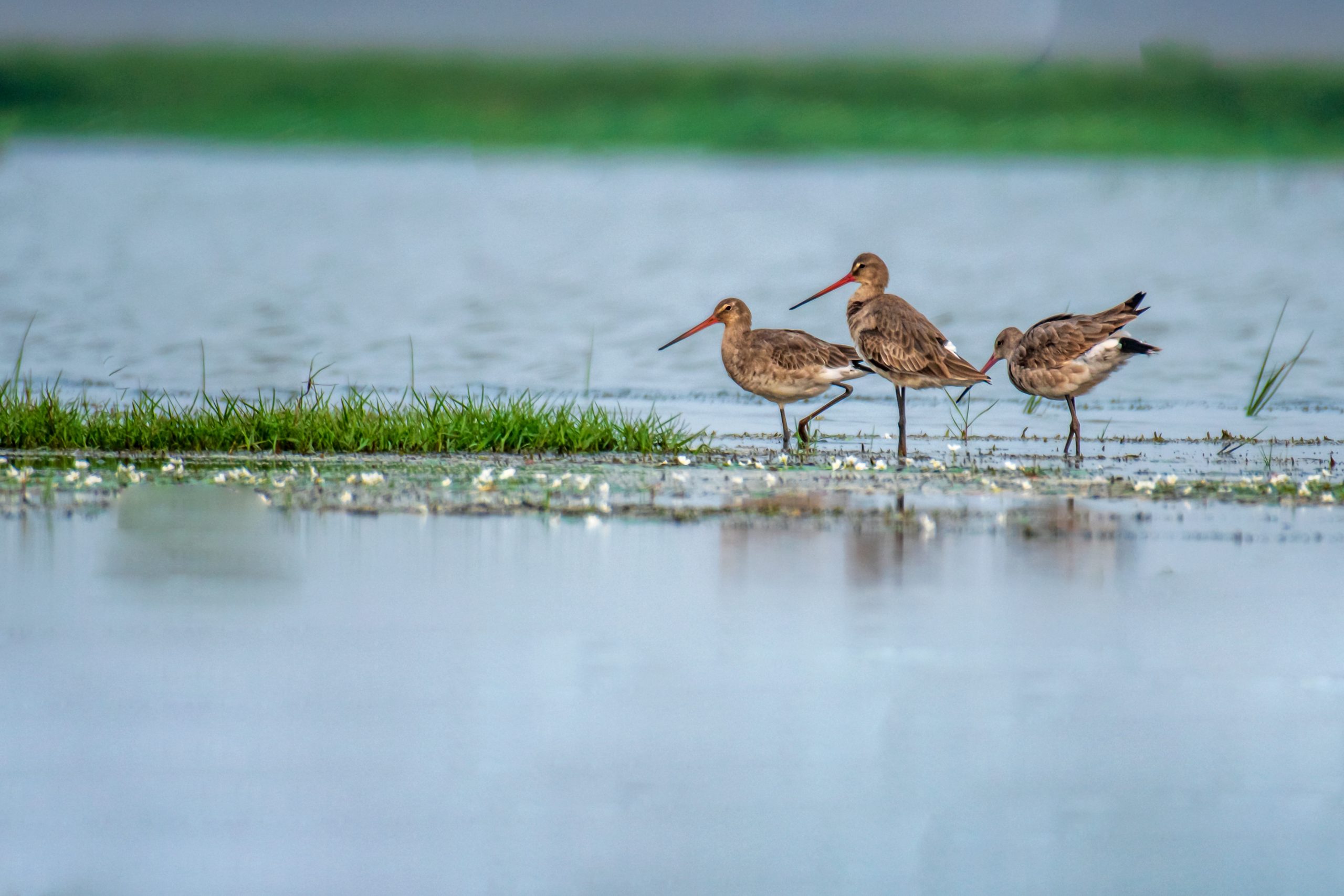
• A shorebird on a beach

    Building momentum for a more connected world at CMS COP15

    Our Conservation and Policy teams travel to Brazil this week to support the 15th meeting of the Parties to the Convention on Migratory Species. They share insights from their work ahead of this important event.

    Building momentum for a more connected world at CMS COP15
  • Woman cuts flowers inside a polytunnel

    Behavioural tweaks are not enough to save nature. Here’s how we achieve transformative change

    Dr Thiago Uehara, Principal Specialist in UNEP-WCMC’s Nature-Based Solutions team, shares five insights from a recent series of reports that examine how to bring about a systemic approach to biodiversity policy Much of today’s biodiversity policy is built around good intentions. It encourages better choices, greater awareness and more responsible behaviour. These efforts matter, and…

    View more

    Behavioural tweaks are not enough to save nature. Here’s how we achieve transformative change
  • Woman silhouette isolated vector illustration. Modern blue colored feminist concept background for womens day, month, 8 march. Women different nation for equality, unity, rights, feminism. Copy space.

    Sharing the stories of women working in environmental science 

    At UNEP-WCMC, we are fortunate to benefit from the diverse geographical and subject matter expertise shared by a wide range of women. Behind the numbers are individual journeys, and here we share parts of these journey’s by spotlighting three of our female natural and social scientists.  Marina Huertas Garcia: Marina is an Associate Programme Officer working in the Protected Planet team, supporting many key areas of work, including management of the ICCA Registry, a global database covering the territories…

    Sharing the stories of women working in environmental science 
  • Plight of migratory species is worsening, new report finds ahead of global wildlife meeting

    Half of all migratory species that are recognised as needing protection now have declining populations A new report warns that 49 per cent of migratory species recognised by the world’s governments as needing protection have declining populations, up from 44 per cent two years ago. Species threatened by extinction have also risen, to 24 per…

    Plight of migratory species is worsening, new report finds ahead of global wildlife meeting
  • UNEP-WCMC launches its new strategy for 2026-2029 

    People both depend on and impact nature. Our societies and economies are built on the foundations of nature’s contributions to people at local and global scales. Thriving nature also has intrinsic value. Reflecting on the importance of healthy ecosystems, our strategy for 2026-2029 focuses on catalyzing action to achieve the ambitions of the Kunming-Montreal Global Biodiversity Framework (KMGBF) and its 2050 vision of living in harmony with nature.  We will work to address direct drivers and underlying causes of nature loss  Direct drivers of nature loss are the processes that contribute to reduction and degradation of biodiversity. These are both rapid and long-term changes…

    View more

    UNEP-WCMC launches its new strategy for 2026-2029 
  • aerial view over forest at spring.

    New Nature Tools Compass to support businesses and financial institutions 

    The Nature Tools Compass launches to support businesses and financial institutions in finding the right tools to assess their nature dependencies, impacts, risks and opportunities.  UNEP-WCMC, in collaboration with partner organizations of the Strengthening Understanding and Strategies of Business to Assess and Integrate Nature (SUSTAIN) project, has launched the Nature Tools Compass to help businesses and financial institutions in navigating tools to assess their nature…

    New Nature Tools Compass to support businesses and financial institutions 
  • IPBES Business and Biodiversity Assessment: 100 specific actions for businesses to lead transformative change or risk extinction

    Landmark new IPBES Business and Biodiversity Assessment highlights approaches and more than 100 specific actions for businesses, governments, financial actors and civil society to understand, measure and respond to business impacts and dependencies on nature. Every business depends directly or indirectly on biodiversity, and every business impacts biodiversity.   Biodiversity loss now poses a critical and pervasive systemic risk to the economy,…

    IPBES Business and Biodiversity Assessment: 100 specific actions for businesses to lead transformative change or risk extinction
  • Shaping the IPBES Business and Biodiversity Assessment: explore key resources from UNEP-WCMC 

    Recognizing the important role of businesses in responding to the biodiversity crisis, IPBES is set to release their Business and Biodiversity Assessment, in which UNEP-WCMC has been centrally involved.  Author: Elspeth Grace, Programme Officer, Nature Economy  Nature loss is no longer a distant risk. Businesses, finance and society face direct consequences from the biodiversity crisis, exacerbated by climate change. Healthy ecosystems…

    View more

    Shaping the IPBES Business and Biodiversity Assessment: explore key resources from UNEP-WCMC