
News
Scientists determine urgent priorities for peatland research
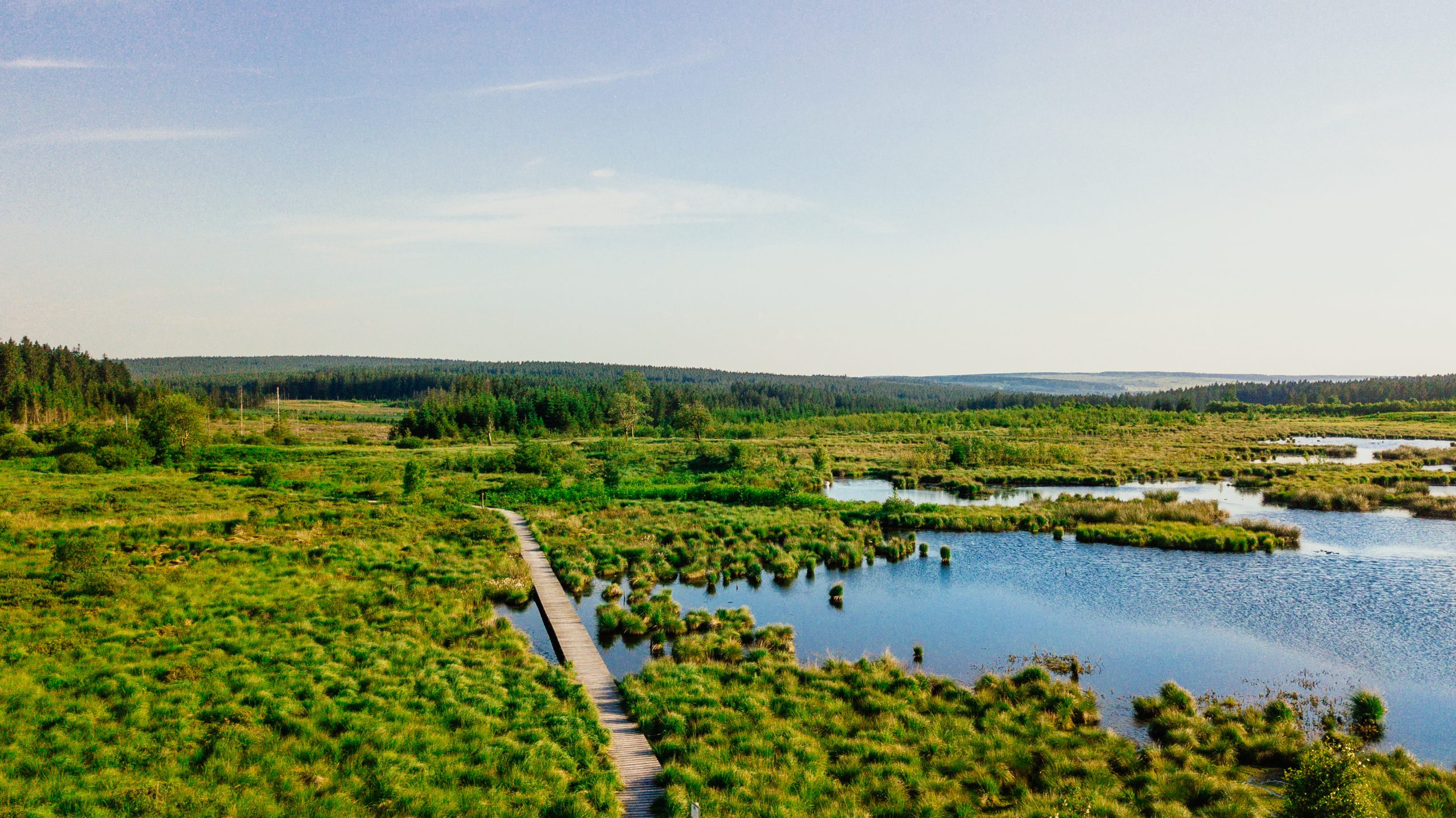
News | Apr 2026
An international team of researchers have identified the most urgent unanswered questions about peatland ecosystems, from forest to tundra. This provides a global roadmap which can guide future science and inform policy for one of the planet’s most important and threatened ecosystem types.
The study published in Communications Earth & Environment involved input from 467 peatland experts across 54 countries to determine which research questions matter most for understanding and protecting peatlands going forwards. The research highlights where knowledge gaps exist and where new information could make the biggest impact for climate change mitigation, biodiversity conservation and sustainable land management.
Though peatlands only cover about three per cent of the Earth’s land surface, they store more carbon than all of its forests combined. When healthy, they lock away this carbon for thousands of years, but drainage, fire, peat extraction or land-use change can quickly turn them into a large source of greenhouse gas emissions. Despite their importance, we still lack key knowledge about how peatlands respond to climate change, how to restore them effectively and how to protect them while supporting the local and Indigenous communities who often rely on them.
Peatlands are increasingly recognized as critical ecosystems for climate action, but we still don’t have all the answers we need to manage them effectively. By identifying the most urgent research questions, this work helps focus global effort.
Dr Alice Milner, Associate Professor at Royal Holloway University of London, UK and lead author of the study.
A global effort to set research priorities
To address this challenge, the researchers carried out a global survey of peatland scientists, practitioners and policy experts from across the globe to understand what they thought were the most pressing, unanswered questions across peatland research. These questions covered everything from ecology and hydrology to biogeochemistry, climate science and social science, across boreal, temperate and tropical peatlands, including those in Europe, the peat swamp forests of the tropics and the Arctic tundra.
Key themes for peatland research
Through this peatlands-community survey, the researchers have identified 50 priority research questions which can guide peatland research over the next 10 years. It is suggested that if these 50 questions are addressed, we will be able to fill critical knowledge gaps and support evidence-based decision making on peatlands management.
The 50 questions are grouped into five key themes: peatland carbon dynamics and climate regulation; climate change and human impacts on peatland functioning and resilience;peatland management and restoration; technological advances for peatland science and monitoring; and communities, policies and economic frameworks.
The priority questions include ones such as:
- What role do peatlands play in regulating global climate and to what extent will protecting peatlands contribute to mitigating climate change?
- What are the climate change thresholds, such as specific temperature or drought levels, at which peatlands in different regions reach tipping points?
- Which restoration approaches yield the most effective outcomes to restore ecosystem function in degraded peatlands (e.g., from drainage, agriculture, mining)?
Other key questions relate to emerging technologies and fair cross-sectoral governance. As new technologies such as artificial intelligence develop, so do questions on how to effectively use them to fill data gaps across different scales, and how to standardise methodologies. Moreover, understanding how peatlands are valued by local communities is vital in ensuring inclusive governance across local and national scales.
What is clear from the research is that addressing these questions will require collaboration across disciplines, and inputs from local communities, peatlands scientists, as well as economists, social scientists, climate scientists and many others.
One of the peatland experts surveyed was Dr Lera Miles, UNEP-WCMC's Principal Specialist in nature-based solutions for climate change mitigation who believes that
..as well as improving our understanding of intact peatland ecosystems and their functions, we need to find ways to incentivise and expand peatland restoration efforts to cut carbon emissions and aid wildlife recovery. Pursuing this research agenda will help to safeguard our peatlands and their carbon stocks for the long term.
Dr Lera Miles, Principal Specialist in Nature-based Solutions for Climate Change Mitigation
This important research and the list of priority questions provides a guide for future research and investment into peatlands, to ensure that efforts remain focused on addressing the most pressing knowledge gaps to support effective action across the globe.
Have a query?
Contact us
communications@unep-wcmc.org