
News
A wide range of species benefit from increased protections at CITES CoP20

News | Dec 2025
UNEP-WCMC experts contribute to new protections for a range of species at CITES CoP20.
A team of UNEP-WCMC biodiversity experts travelled to Samarkand, a major city in Uzbekistan, for the 20th meeting of the Conference of Parties to the Convention on International Trade in Endangered Species of Wild Fauna and Flora (CITES CoP20). The Convention aims to ensure that the international trade of over 40,000 listed species is conducted legally and sustainably. Its Appendices determine varying trade controls based on the protection needs of the species listed. CoPs are a time for Parties to the Convention to come together to discuss proposals for new additions to these Appendices. CITES CoP20 considered 50 proposals submitted by Parties to enhance or reduce protections by amending the species listings in the CITES Appendices.
Charismatic species, such as sharks, often dominate headlines. While successful listing proposals for sharks and rays represented key progress for marine conservation, CITES is also important for the conservation and sustainable use of lesser-known species. Our experts provided technical contributions to European Union (EU) proposals for several such species. Of these, proposals to increase protection for four species of water frogs, the golden sandfish (a type of sea cucumber) and a perennial shrub were accepted by the CoP.
Our global wildlife trade team provided scientific support for several successful CoP20 proposals. As a result, international trade in six species threatened by exploitation for medicinal use or exotic foods will now be regulated. These regulations will deliver tangible on-the-ground conservation benefits for the newly-listed species.
Claire McLardy, Principal Technical Specialist, UNEP-WCMC
Four species of water frog are now listed in Appendix II
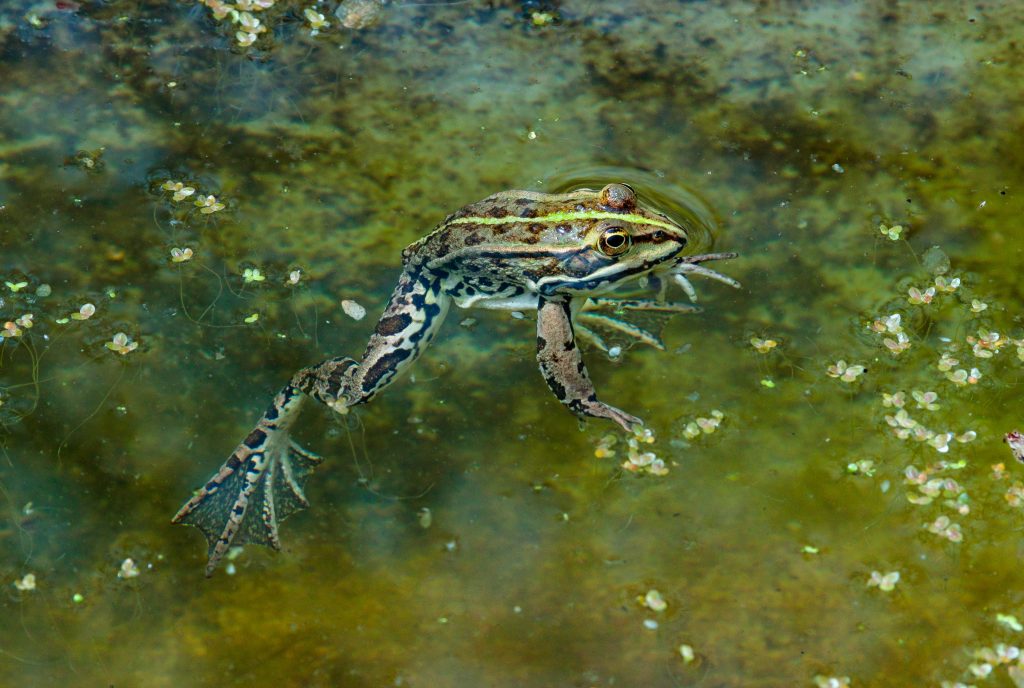
It was good news for water frogs, with a proposal by the EU, North Macedonia and Israel to include four species in Appendix II being accepted. UNEP-WCMC experts provided scientific evidence for this proposal that included the Epirus water frog, marsh frog and Albanian water frog which are all vulnerable to overexploitation having declined over the last few decades, together with a “lookalike” species – the pool frog. These four frogs range from “Vulnerable” to “Least Concern” on the IUCN Red List. These species, which are found in freshwater habitats across Europe and North Africa, are threatened by the global trade of frog legs, driven by demand in Europe. This is exacerbated by habitat degradation due to issues such as the drainage of wetlands and dams.
Parties voted overwhelmingly to include these four species in Appendix II, meaning their international trade will now be regulated to address population declines. This is good news for these species that all play key ecological roles across their freshwater habitats, with the presence of these frogs being an indicator of good water quality and ecosystem health.
New international trade protections for the golden sandfish
Found within inner reef flats, seagrass beds and coastal lagoons across Indian and Pacific Ocean coastal ecosystems, the golden sandfish (Holothuria lessoni) is a species of sea cucumber that has been subject to heavy overfishing – it is listed as Endangered on the IUCN Red List. Populations struggle to make a quick recovery to healthy levels when reduced by fishing. This has led to rates of population decline estimated at around 50% over the past few decades.
This sea cucumber may be small, but it plays a mighty role in supporting the health of coastal ecosystems. As it feeds, the golden sandfish absorbs sediment from the seabed and transforms it into nutrients that support the flourishing of its habitat, such as sea grass meadows. Over time, this creature has been overharvested for use as a key ingredient in dried luxury food across Asia. Due to this use and highly sought-after taste, the golden sandfish has a high market value that incentivizes further harvesting. Citing these issues, our team provided the scientific input for a proposal to include this species in CITES, which was adopted by consensus. The golden sandfish has now been included in Appendix II, which means that controls on all international trade of the species will come in soon, and exporting countries will be required to conduct sustainability assessments to ensure that such trade is sustainable.
New protections for the perennial shrub guggul announced at the plenary session
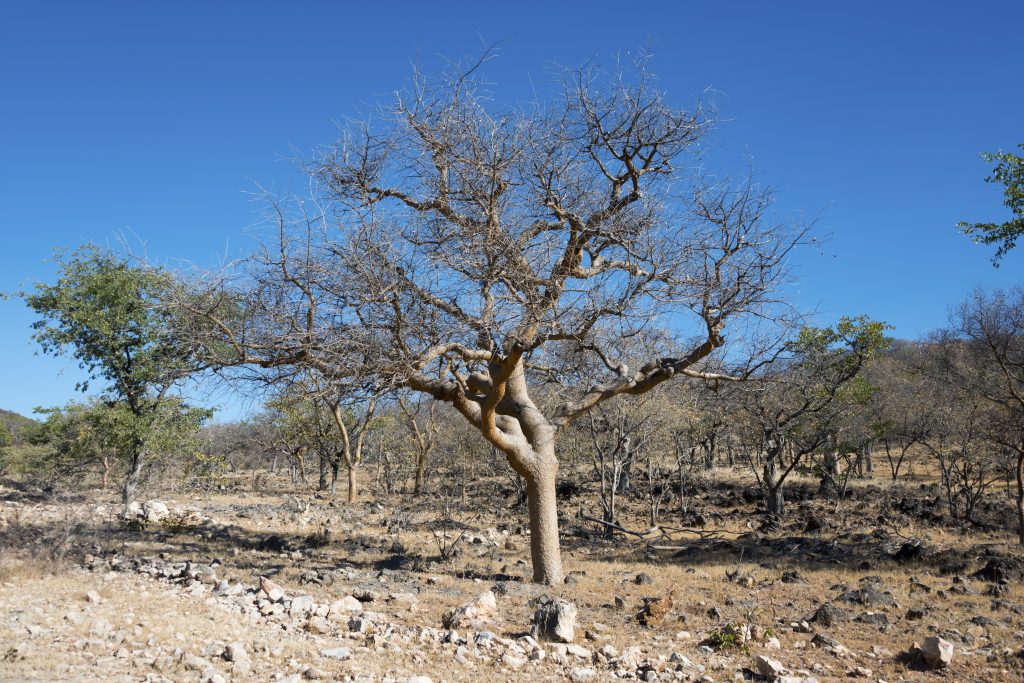
The perennial shrub guggul (Commiphora wightii) is a plant found across India, Pakistan and Oman, with its gum often extracted to develop medicines and supplements to build resilience against common issues, from diabetes to arthritis. However, its healing properties have also been a cause of its decline as the shrub has been overharvested, resulting in its current IUCN Red List status as Critically Endangered.
At first, the EU proposal, drafted with scientific support from UNEP-WCMC, was narrowly rejected in a vote by Parties. However, in the final days of the conference, protections for the perennial shrub were reconsidered, resulting in the proposal being accepted with an amendment excluding many finished products such as incense sticks and perfumes. This means the shrub will now benefit from increased international trade protections to help prevent further declines.
Protection for many more marine species
New protections have been added for many more marine species, from the guitarfish to the whale shark. In some cases, species facing significant overharvesting pressures have been upgraded to Appendix I that prohibits all commercial trade. New species in this Appendix include: the oceanic white tip shark, the whale shark, manta rays and devil rays. Other, previously unlisted species now face some protections under Appendix II, including gulper sharks, tope sharks and common smooth-hounds, as well as their lookalike species.
Not all CoP20 proposals were approved, with some high-profile proposals such as the inclusion of all freshwater eels in Appendix II, having been rejected. However, eels are the subject of a new CITES Resolution that will address many pressing issues such as illegal trade. Overall though, CoP20 resulted in a wave of new species across the planet being afforded increased protection from unsustainable trade. Particularly for marine and coastal ecosystems that have long suffered from over extraction, these protections promise hope for tangible change.
Main image: IISD/ENB | Anvar Zokirov
Have a query?
Contact us
communications@unep-wcmc.org