
News
Building momentum for a more connected world at CMS COP15
Comment | Mar 2026
Our Conservation and Policy teams travel to Brazil this week to support the 15th meeting of the Parties to the Convention on Migratory Species. Kelly Malsch, Frances Davis, Andrew Szopa-Comley and Matea Vukelić share insights from their work ahead of this important event.
In the face of current world events, it can be hard to feel optimistic about action on three of the most pressing issues of our time: climate change, nature loss and pollution. But even now the world is still coming together to try to find solutions.
Governments converge in Brazil for migratory species
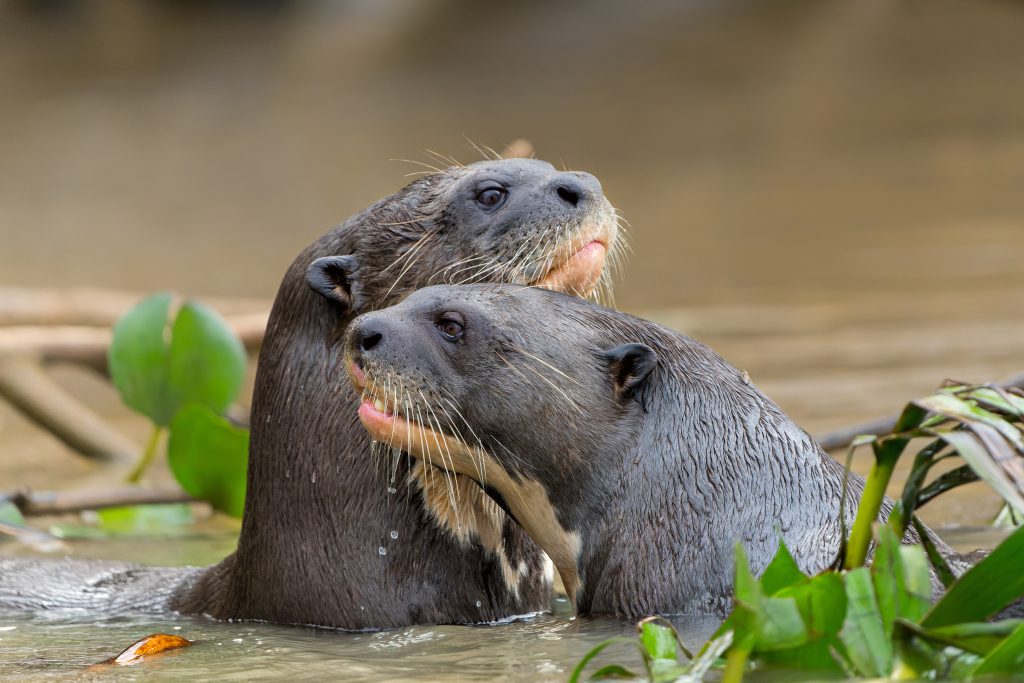
Hot on the heels of a new warning about the worsening plight of migratory species, our delegation of experts will soon join governments, scientists, conservationists, Indigenous Peoples and local communities, environmental leaders and civil society in the city of Campo Grande, Brazil. Appropriately, Campo Grande is a gateway for accessing the world’s largest tropical wetland: the Pantanal. This vast seasonal floodplain is home to an extraordinary diversity of wildlife, including many highly mobile species such as jaguars, catfish and Jabiru storks.
Ensuring the survival of the amazing animals that depend on places like the Pantanal will be driving us on through back-to-back meetings and the intensive discussions at the Fifteenth Meeting of the Conference of the Parties to the Convention on the Conservation of Migratory Species of Wild Animals (CMS COP15).
CMS is a global environmental treaty. It provides an international framework for the conservation of migratory species and their habitats. The COP is the Convention’s main decision-making body, bringing together over 130 Parties to the Convention, and typically meets every three years. Over this week-long meeting, Parties will discuss more than 100 agenda items, which range from action plans for individual species to agreeing on the steps that should be collectively taken to tackle cross-cutting issues, such as the impacts of climate change on migratory species.
The decisions Parties make will be informed by the best scientific information available. Earlier this month CMS launched an important update on the State of the World’s Migratory Species, revealing that the plight of migratory animals has worsened in just two years. We were proud to work with CMS to produce this interim report, putting the best scientific information before governments and others ahead of the meeting.
Throughout COP15, we will be supporting our partners and engaging in discussions on the agenda. But for months in the build-up to Campo Grande, we’ve been working behind the scenes to achieve the best possible outcomes for nature.
Implementing the Strategic Plan for Migratory Species
To make sure policymakers know as much as possible about the progress countries are making to conserve biodiversity, there must be a clear process between commitments being made, carried out and evaluated. Our major priority this COP is to help the world track the steps that are being taken and whether the situation for migratory species is headed in the right direction.
At COP14 in 2024, the Convention on Migratory Species adopted the Samarkand Strategic Plan for Migratory Species (2024-2032). Over the past year, working closely with CMS Parties, the CMS Standing Committee and Scientific Council and the Secretariat, we have identified which metrics could be used to measure progress against the six goals and 23 targets of the Strategic Plan, developing a monitoring framework. These metrics range from the status and pressures facing migratory species to whether CMS Parties have implemented core aspects of the Convention. They also align – where possible and where appropriate – with commitments made across other multilateral environmental agreements, most prominently the Kunming-Montreal Global Biodiversity Framework.
The monitoring framework will be discussed at the COP, where Parties will consider its adoption. Our team will support the CMS Secretariat and Parties throughout these discussions and contribute to finalizing the document.
Better information to guide interventions
As specialists in developing the knowledge and insight necessary for a better world, we are heavily involved in improving the availability of data on migratory species.
We will present our analysis of national reports to the COP, where we have reviewed the latest data countries have submitted, reflecting both the successes and challenges experienced by Parties since COP14. We will share a draft template for a revised national report questionnaire with Parties on the margins of the COP, which will be used for recording national-level data contributing to various indicators – crucial for monitoring progress towards the aims of the Convention.
We are also contributing to work to strengthen the data on the distribution of CMS-listed species. Countries need reliable, rigorously checked information on where listed species occur in order to ensure that they are meeting their obligations and to make informed conservation decisions. This information is shared through Species+, a publicly-accessible online database maintained by UNEP-WCMC.
Crucial initiatives for preventing nature loss
The build-up to and duration of a COP is a busy and exciting time for us, and we’re proud to be involved in multiple important initiatives.
A central priority under the CMS Strategic Plan for Migratory Species is maintaining a network of habitats linked by migration routes, on which migratory animals depend. This is known as ecological connectivity. The Global Partnership on Ecological Connectivity (GPEC), which was launched at the last COP in 2024, brings together key actors in connectivity conservation from international organizations, NGOs, government and the private sector to scale up efforts to maintain and restore ecological connectivity worldwide. This year, the work of the partnership will continue to gather momentum, and we are supporting two events for GPEC at COP15.
We’re involved in numerous other areas of work. These range from a new initiative to tackle the illegal and unsustainable taking of migratory species from the wild, to efforts to ensure that the net impact of infrastructure is not detrimental to nature.
Each of us can’t wait to experience Brazil and its iconic wildlife. But more exciting still is the opportunity to support one of the most important global frameworks for wildlife conservation, and contribute our knowledge and expertise to the effort to address the global biodiversity crisis.
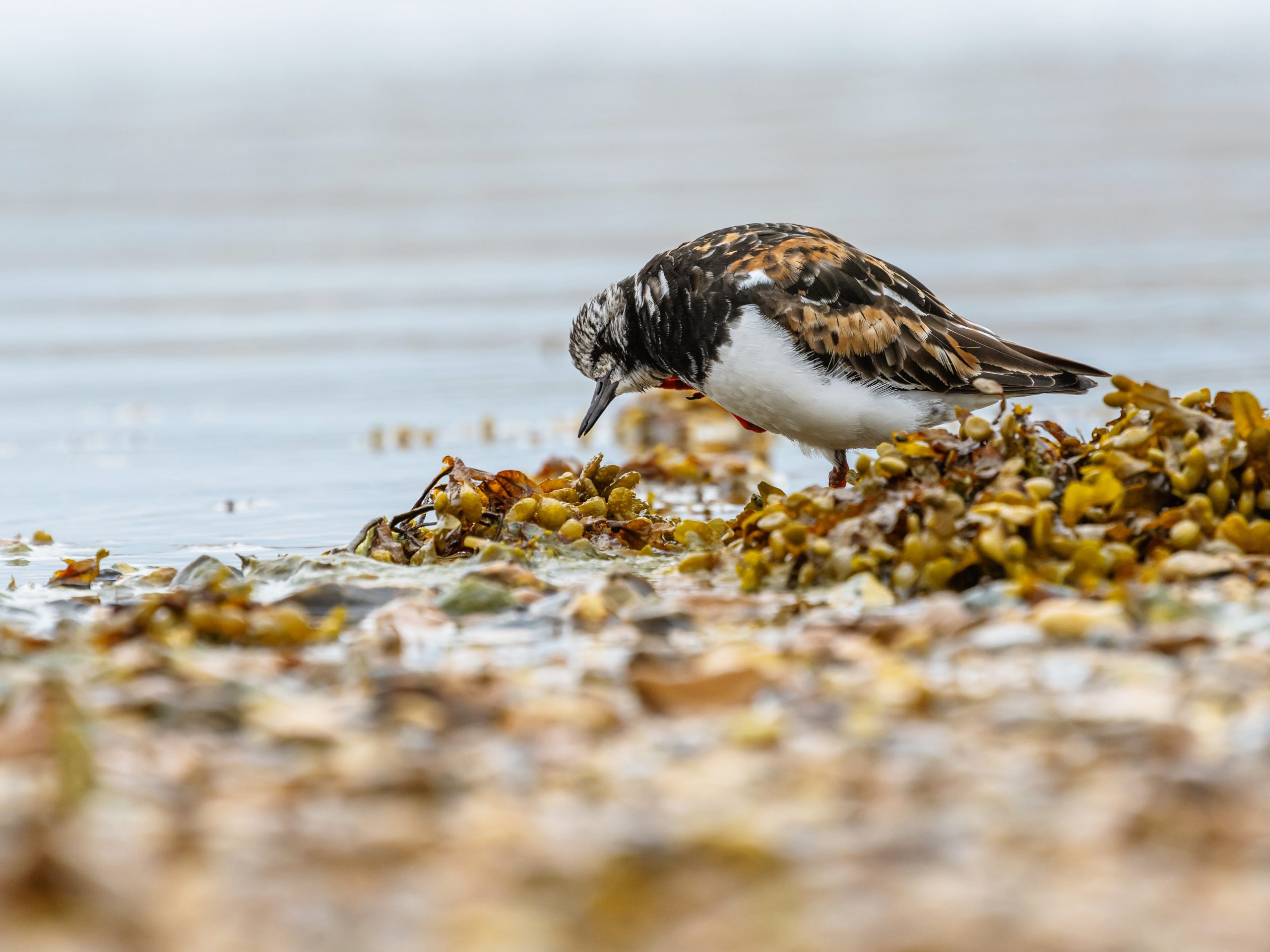
Main image: The Ruddy Turnstone is a Near Threatened migratory shorebird that winters along the Brazilian coast (Adobe_1880176901)
Have a query?
Contact us
communications@unep-wcmc.org