
News
Exploring soil health monitoring in the European Union
News | Dec 2025
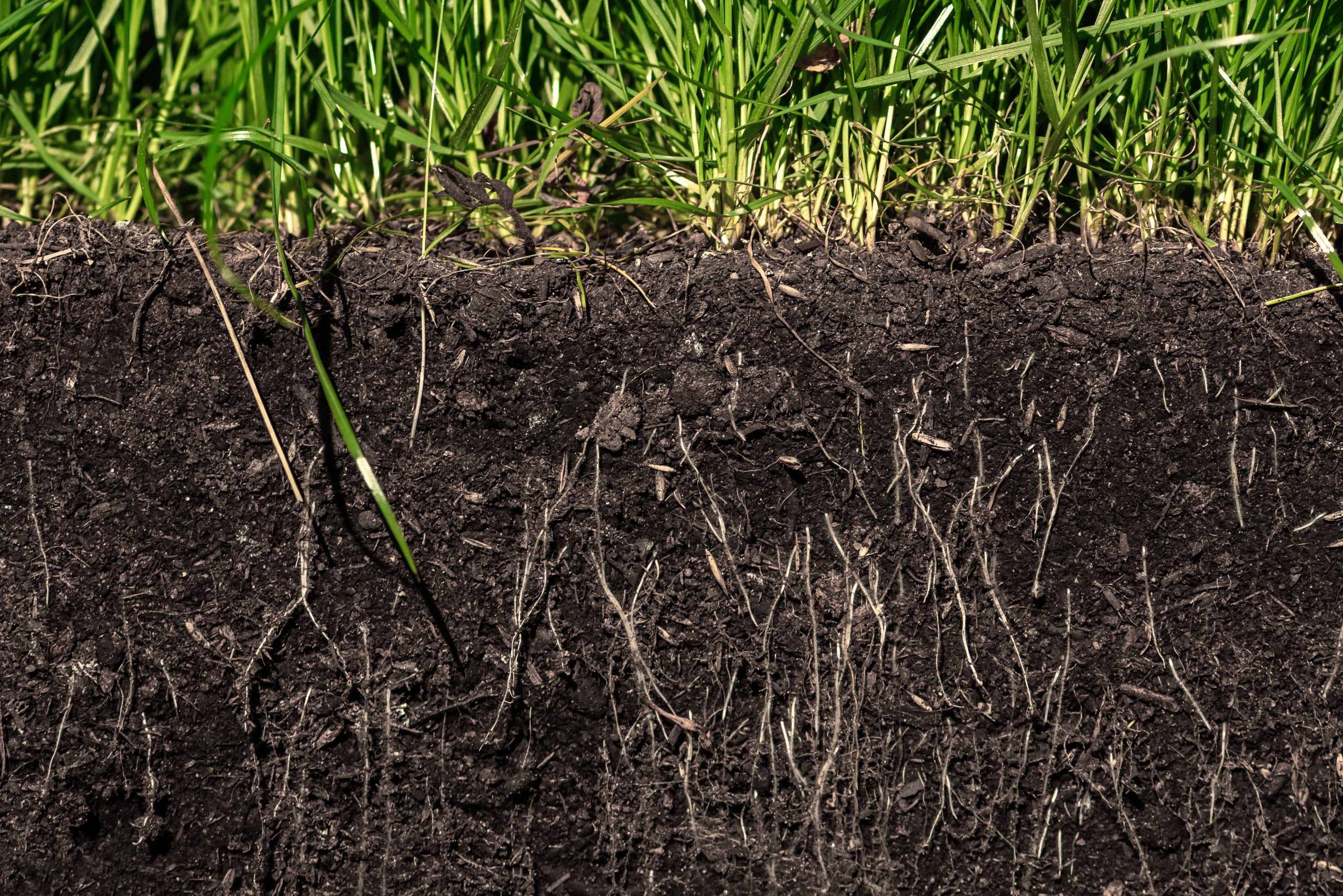
To celebrate World Soil Day 2025, we reflect on the EU Soil Health BENCHMARKS project to raise awareness about the importance of healthy soils and soil health monitoring.
Soils are essential not just for growing food, but also more widely for the functioning of ecosystems, including climate regulation, habitat provision, nutrient cycling and water regulation. These functions, which are generated by soil processes, play a vital role in achieving international climate and nature commitments, as well as national objectives related to water, food, health and biodiversity.
Across the EU, the loss of soil health through degradation impacts agriculture and forest productivity as well as a wide range of societal objectives. The major soil degradation types in the EU include soil erosion (by water and wind), loss of soil organic carbon, soil compaction, soil contamination, soil salinisation, soil sealing, loss of soil biodiversity and soil acidification.
Understanding EU Policy needs for soil health monitoring
There are many EU policies, ranging from the Common Agricultural Policy to the Nature Restoration Regulation, that require soil health monitoring and cover a range of land uses.
These policies include provisions for soil monitoring that put multiple demands on stakeholders involved in the monitoring and reporting of soil health. EU stakeholders monitor soils with indicators focused on nutrient supply and aspects of soil degradation. Reconciling and meeting the different needs for soil monitoring in multiple land uses requires effective stakeholder engagement, particularly for developing indicators and methodologies for soil monitoring across agriculture, forestry and urban areas.
For example, the EU Biodiversity Strategy 2030 includes provisions to build the resilience of European societies against the impacts of climate change, forest fires, food insecurity and diseases. It emphasizes the need to protect soil fertility, reduce soil erosion and reduce the loss of soil organic carbon through sustainable soil management practices. The Nature Restoration Law aims to restore degraded ecosystems, particularly those that have the potential to capture and store carbon, as well as prevent and reduce the impact of natural disasters. The EU Soil Strategy 2021 ensures soils have the same level of protection that exists for water, the marine environment and air in the EU. These policies have monitoring and reporting requirements for Member States and other relevant stakeholders. It is important to turn the provisions in these policies into actions that maintain and enhance soil health across the EU.
Monitoring, Reporting and Verification Systems for soil health
The Soil Health Benchmarks project is developing an Integrated Soil Health Monitoring Framework to help track soil health in relation to EU policy needs and policy needs at global, national and subnational scales. It is designed to be applicable in agriculture, forestry and urban areas. Monitoring, Reporting, and Verification (MRV) systems are playing an essential part in development and use of this framework to ensure soil health and support sustainable soil management practices.
To support EU policy needs for soil health information, EU and national scale monitoring are needed to assess soil health. In order to gain a deeper and more meaningful understanding of soil health, such monitoring needs to cover multiple land uses, soil types, and climate conditions. The datasets from MRV systems provide evidence that can contribute to harmonised soil health assessment at EU and national scales. Such datasets can also be used in designing, implementing and evaluating policy actions. Soil health information must be available, accessible, and discoverable for data-informed decision making and for tracking progress at EU level and in Member States.
The Soil Monitoring Law
The recently adopted Soil Monitoring Law will be critical for tracking and improving soil health and resilience, as well as for the sustainable management of contaminated sites in Europe. This first EU Law on soil monitoring aims to advance soil monitoring in Europe using common soil descriptors, including chemical, physical and biological parameters, as well as a common approach for selecting sampling points. Member States will likely adapt or build on existing soil monitoring systems to fulfil the requirements of the Soil Monitoring Law.
New legislation will help, but a healthy future for soils in Europe and elsewhere will ultimately depend on how all stakeholders recognize the value of soils beyond food production, and how soils are managed for their multiple benefits for society and biodiversity.
Have a query?
Contact us
communications@unep-wcmc.org