
News
Introducing the WDPCA: Protected Planet is evolving
News | Jan 2026
There have been exciting new changes for Protected Planet, including a bringing together and rebrand of the flagship databases into the World Database on Protected and Conserved Areas. These changes will streamline the reporting process for data providers, expand the options for data analysis, and provide added transparency around the impact of protected and conserved areas (PCAs) on the world’s biodiversity. Crucially, the changes will enhance our ability to track progress against Target 3 of the Kunming-Montreal Global Biodiversity Framework (KMGBF), which calls for 30% of the world’s lands and waters to be effectively conserved by 2030.
Introducing the World Database on Protected and Conserved Areas
Protected Planet has merged two of their key databases – the World Database on Protected Areas (WDPA) and the World Database on Other Effective Area-based Conservation Measures (WD-OECM) – into a single database: the World Database on Protected and Conserved Areas (WDPCA).
The WDPCA is an important evolution in the way Protected Planet brings together and makes data available to the world. Its launch reflects the fact that many countries are diversifying their conservation strategies, increasingly seeing protected areas and OECMs (a type of ‘conserved area’) as two complementary approaches. In addition to streamlining reporting, the merge of the databases will drive more informed data analysis and decision making.
Moreover, the team is taking this opportunity to make various other technical updates. With a full explanation of the changes available here, a key highlight is the addition of the following fields to the tabular data:
- OECM_ASMT: this field will store data on the type of assessment used to identify a site as meeting the OECM definition. This will provide additional transparency around the basis for categorizing sites as OECMs.
- INLND_WTRS: this field will store data on whether conservation measures are in place for inland water ecosystems that occur within a PCA. It will provide clarity on whether the management of terrestrial and coastal areas takes specific account of inland waters.
- GOVSUBTYPE: alongside the existing governance type (GOV_TYPE) field, this field will provide additional transparency on the actors involved in shared governance of PCAs.
- OWNSUBTYPE: alongside the existing ownership type (OWN_TYPE) field, this field will provide additional transparency on the actors involved in shared ownership of PCAs.
These new fields will improve our ability to track progress towards all elements of KMGBF Target 3, and the ability of users to interrogate Protected Planet data, without significantly increasing the reporting burden on data providers. The new fields will initially have limited data, but data providers will be invited to populate them, and we anticipate that many new entries and updates will include the additional data.
The Protected Planet website will be updated over the coming months to better reflect the changes. Further details are available here.
The Global Database on Protected Area Management Effectiveness (GD-PAME) has also been transformed
Creating new PCAs is necessary but insufficient to halt and reverse biodiversity loss and meet KMGBF Target 3. These PCAs also need good governance, effective management, and sustained conservation outcomes. The GD-PAME has been redesigned to provide more meaningful data on each of these elements of PCA effectiveness, moving from recording where effectiveness assessments have taken place to capturing headline data on the results of those assessments. A dedicated news story on these changes can be found here.
In the near future, the GD-PAME will be incorporated into the WDPCA, further streamlining data reporting and delivery.
More improvements are on the way
The global network of PCAs is constantly in flux. In collaboration with their data providers across all countries, territories and regions, Protected Planet is able to accurately track expansions in the network, but when PCAs are degazetted, they are lost from the databases. In order to more accurately track removals as well as gains to the PCA network, the team are developing a data management system that reflects historic changes in the data, including when PCAs have been degazetted. This is an important development that will enable more meaningful analysis of trends and progress towards global targets.
The team are also in the process of streamlining how they collect data on Ramsar Sites, Wetlands of International Importance. To ensure data alignment and reduce the reporting burden on Parties, data on Ramsar sites will soon flow directly from the Ramsar Sites Information Service to Protected Planet.
The WDPCA will continue to be updated on a monthly basis for the immediate future. In the longer term, it will move to a more continuous update cycle.
What do these changes mean for data providers?
Some of the changes will streamline the reporting process for data providers, such as the ability to report protected areas and OECMs in a single dataset and the accelerated data processing by UNEP-WCMC. Other changes, including the historic data improvements, will not require any action from data providers. The changes relating to new fields in the WDPCA and GD-PAME will mean that data providers will be encouraged to provide additional data, but there are no new mandatory fields. While data providers will not be obliged to provide additional data, UNEP-WCMC will be happy to support those who would like to do so, providing a chance to better showcase the important steps being taken at national level and their contribution towards all elements of KMGBF Target 3.
For more information, please contact protectedareas@unep-wcmc.org.
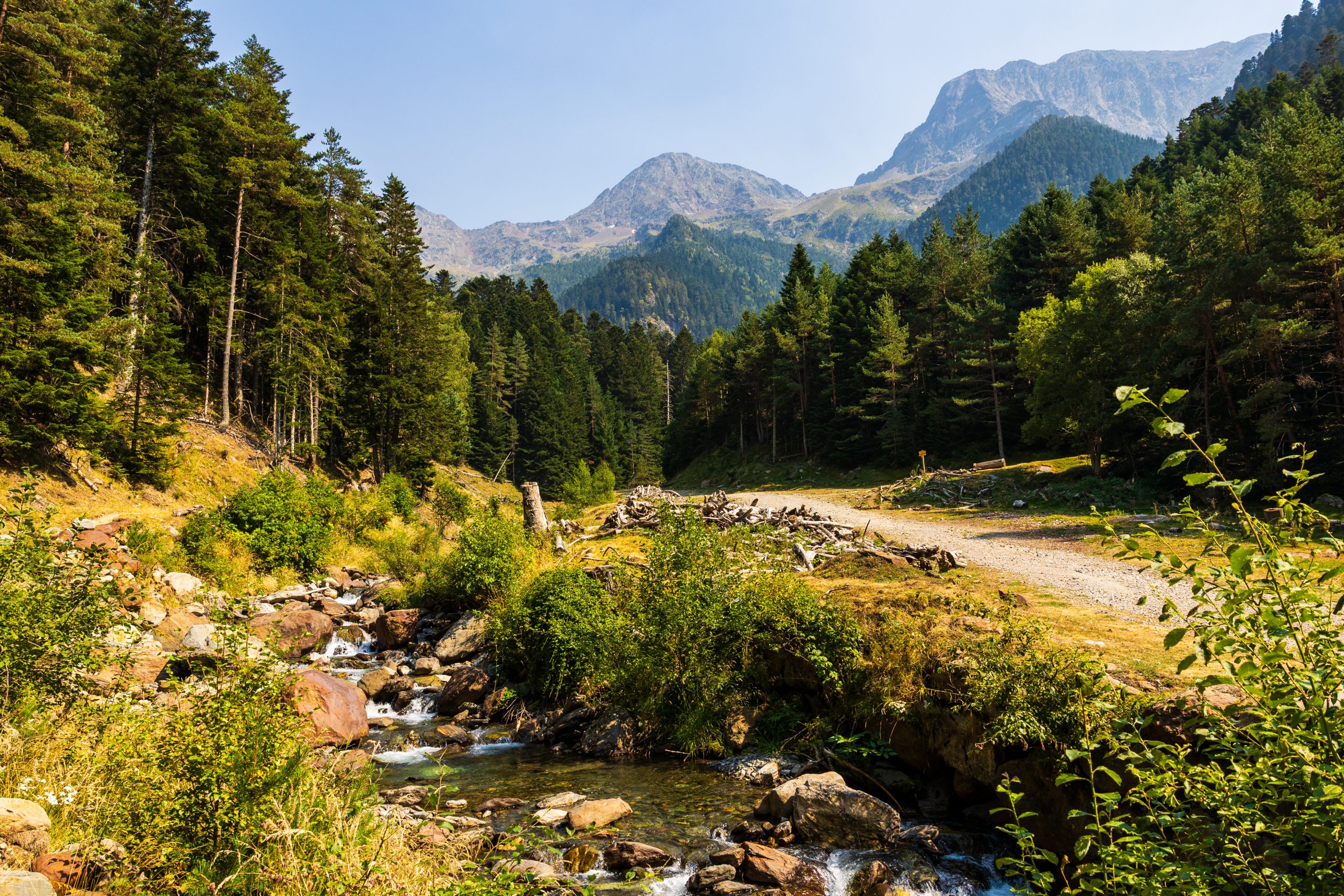
Main image: Ldgfr Photos, Adobe Stock #1762394240
Have a query?
Contact us
communications@unep-wcmc.org