
News
This heatwave in Europe has brought the message home: it’s time to take action for nature and climate
Comment | Jun 2026
The UNEP-WCMC team at London Climate Action Week reflect on a sweltering event and the urgent priorities before this year’s global nature and climate meetings.
A grim salience hung over this London Climate Action Week, Europe’s largest city-wide climate event. More than 45,000 attendees gathered in London to discuss a problem unfolding right before us – not within our lifetimes, not in 10 years, not next year.
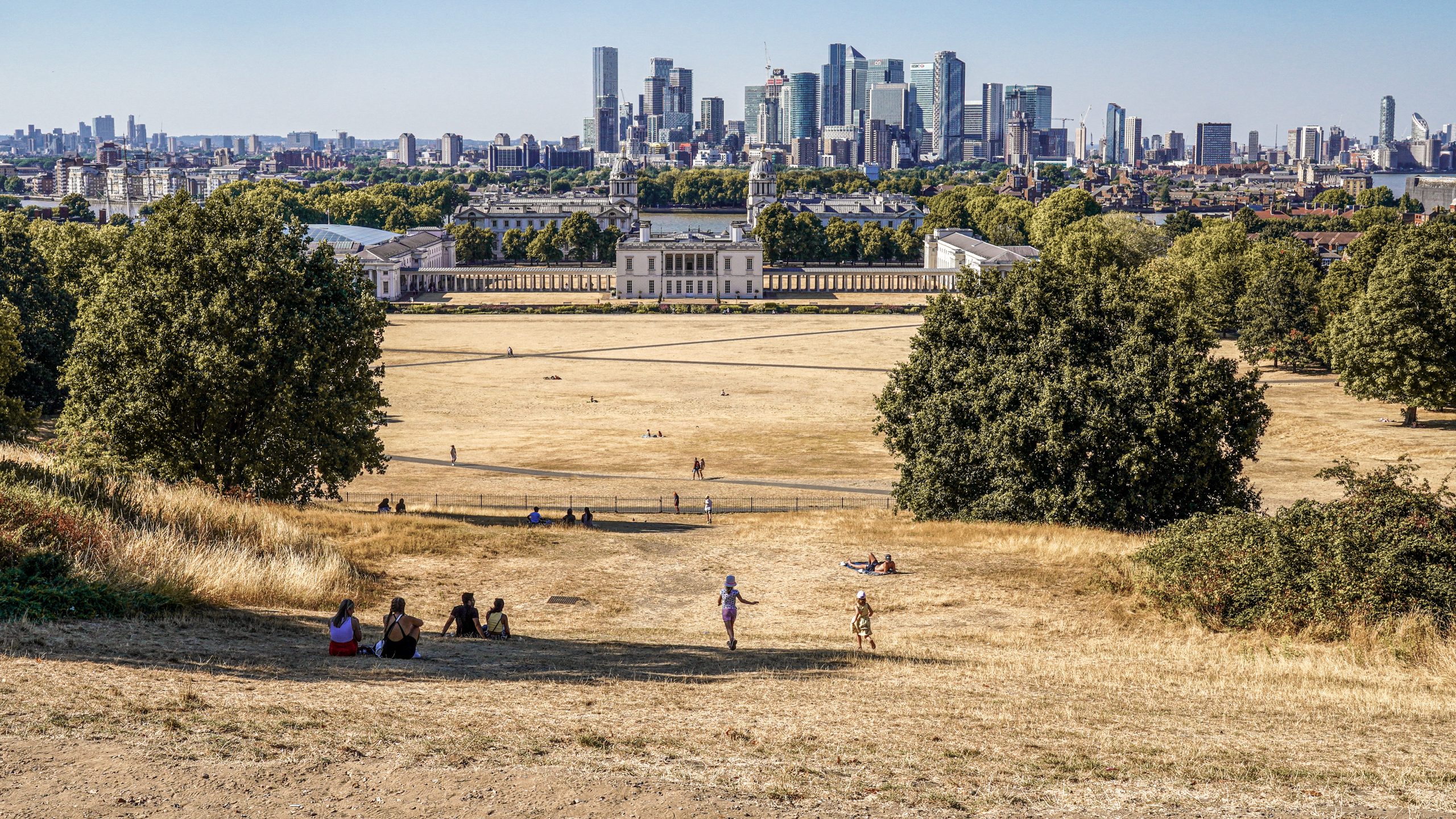
Extreme heat, driven by climate change, is here. Delayed trains sat roasting on their tracks, passengers fanning themselves with magazines. Commuters sweated in the shady side of the streets. Events were cancelled as buildings overheated or were thinly attended.
Our team was among those sweltering at London Climate Action Week, seeking to drive awareness that nature is our key ally in accelerating climate action. But, along with other attendees, our ability to attend and network as planned was impeded by train cancellations, school closures and exhaustion. Nevertheless, we shared our insights into topics from mobilizing private investment for nature to quantifying the return on investment from climate-resilient initiatives.
Ultimately, the heat made the case for action more compellingly than any keynote speech. The unusual temperatures across Europe drive home the fact that the world is not acting quickly enough to avoid the worst impacts of climate change and extreme weather. Speaking with other attendees, from policymakers to major financial institutions, we were repeatedly struck by their recognition of this, and engagement in acting to curb the worsening impacts of climate change.
Nature is our best ally
We urgently need to mitigate climate change by cutting the planet-warming gases we’re pumping into the atmosphere.
But we also need to adapt to our new, warmer world. Investing in nature offers us an opportunity to achieve both, simultaneously. Nature-based solutions, such as parks, green corridors, green roofs and walls, can reduce temperatures by as much as 2 degrees Celsius. They can also reduce the impact of other extreme weather, such as flooding, and clean the air we breathe – providing these services to people while also creating habitat and food for wildlife.
Increasingly, the global climate community is focusing on integrating nature and climate goals. When governments met for the previous global climate talks at COP30 last year, they clearly signalled that nature is at the core of climate action.
Experts from our Nature-based Solutions team noticed this shift at London Climate Action Week this year, with events positioning nature-based solutions as an “essential climate solution”, highlighting the nature finance gap and framing nature as an economic opportunity. We must use the urgency we felt during the week to build momentum for action at crucial climate and nature meetings taking place in just a few months.
Closing the nature finance gap
There is broad awareness that not enough money is being dedicated to mitigating and adapting to climate change. Less well known is the fact that there is a global shortfall of around $700 billion every year in the funding needed to conserve and restore nature. Our Nature Economy team in London worked to raise awareness of this biodiversity finance gap, and the tools and metrics available to mobilize resources.
To this end, we co-hosted an event on funding sustainable land use. More than 70 investors, government representatives and NGO experts working on the leading edge of this gathered to share their experiences. We came away enthused and excited by the rapid evolution in this sector: Six years ago discussions were about possibilities and plans. Now they are about capital being mobilised, practical disbursement issues and scaling. Many attendees remarked on this palpable change in a short period. Now this work needs to be scaled up, and drastically.
The task ahead
Addressing the finance gap is one of the key priorities for the coming months.
London Climate Action Week took place at a critical juncture, ahead of three crucial UN meetings this year on how to tackle desertification, nature loss and climate change. From one heatwave-struck host country to another, the 17th meeting of the Conference of the Parties to the Convention on Biological Diversity (COP17) takes place in four months’ time in Armenia, which endured temperatures of 37 degrees Celsius recently. Delegates must be spurred on by the urgency we feel now, to accelerate solutions to halt and reverse nature loss while also averting the impacts of climate change.
All around the world, heatwaves like the one that gripped Europe this June are becoming more frequent and severe. Climate change and nature loss together constitute a public health emergency, and that understanding is now spreading across governments, financial institutions and civil society. For the team at UNEP-WCMC, the heat of London Climate Action Week is a reminder of why the work ahead of each of the meetings this year for the three UN Conventions on Biodiversity, Climate and Desertification matters so much. Turning commitments into action cannot wait.
Main image: View over London from Greenwich Park during a heatwave (Alisdare Hickson / CC BY-SA 2.0)
Have a query?
Contact us
communications@unep-wcmc.org