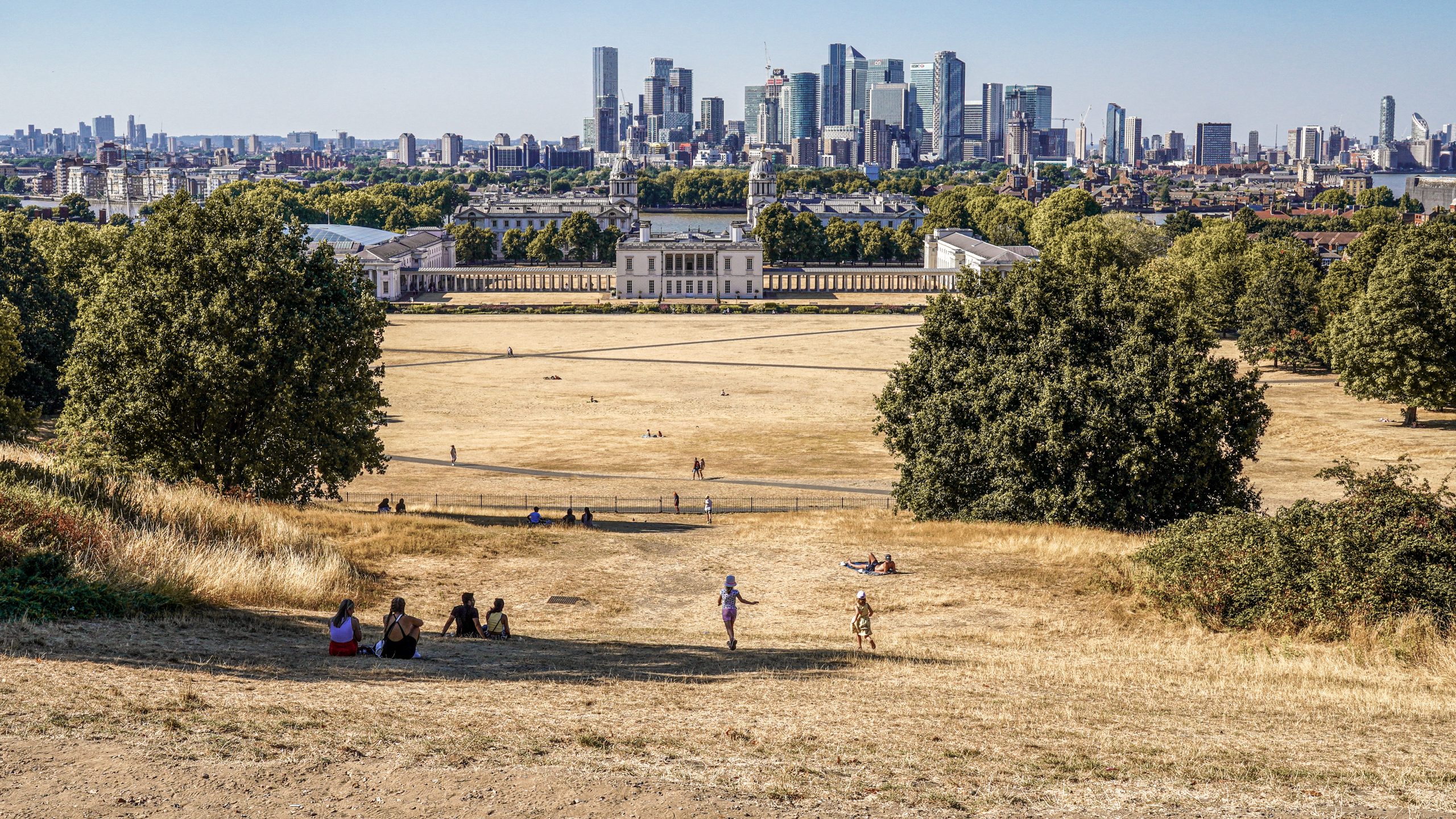
• View of the City of London from Greenwich during a heatwave, Alisdare Hickson

    This heatwave in Europe has brought the message home: it’s time to take action for nature and climate

    The UNEP-WCMC team at London Climate Action Week reflect on a sweltering event and the urgent priorities before this year’s global nature and climate meetings. A grim salience hung over this London Climate Action Week, Europe’s largest city-wide climate event. More than 45,000 attendees gathered in London to discuss a problem unfolding right before us…
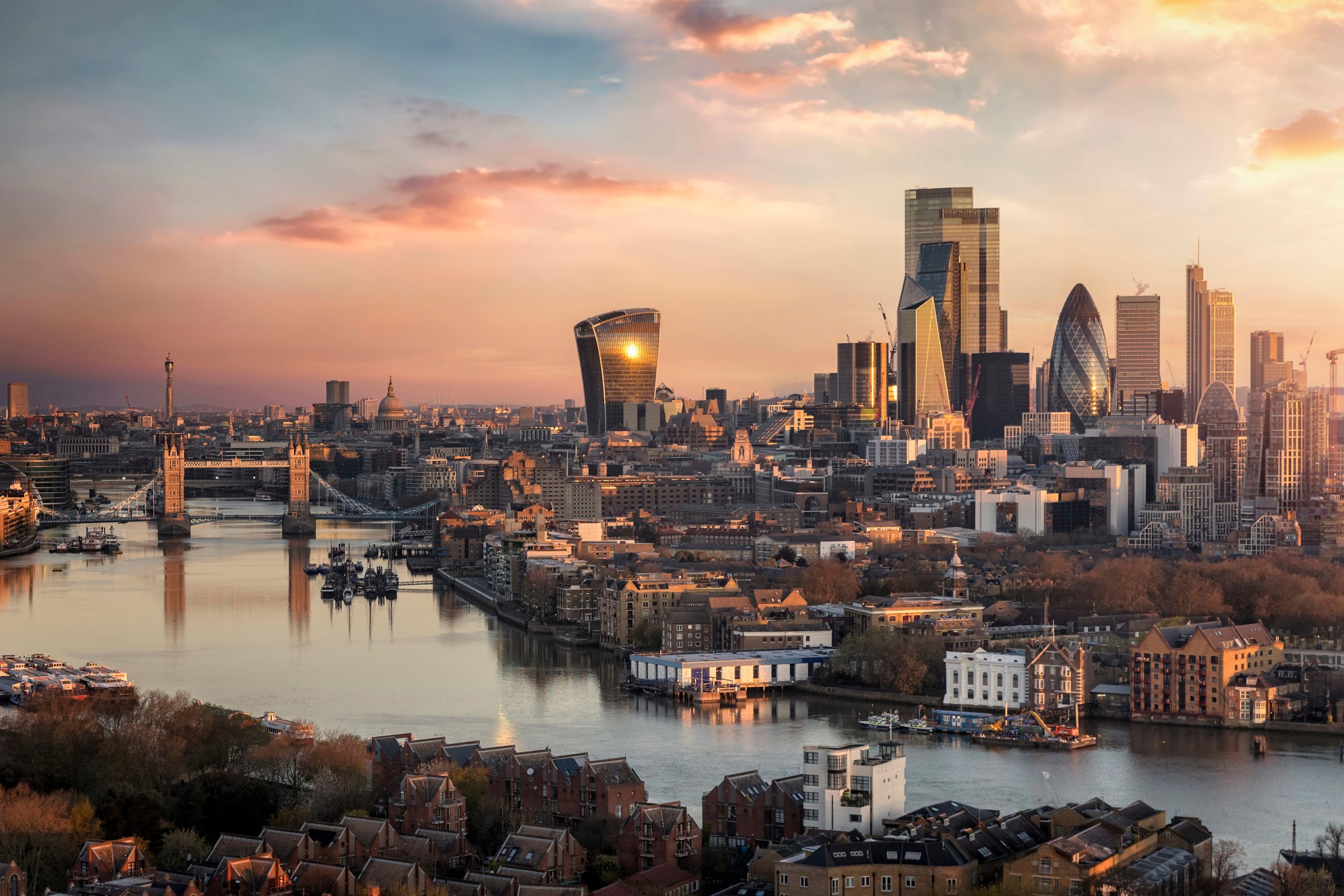

    This heatwave in Europe has brought the message home: it’s time to take action for nature and climate
  • Bringing nature into climate decision-making: UNEP-WCMC at London Climate Action Week 

    Acting on nature and climate together accelerates impact.  Climate change and nature loss are tightly interconnected issues. Rising temperatures and changing weather patterns can cause the loss of sensitive species, and in some cases whole ecosystems. Even less drastic climate change impacts can disrupt the relationships among species and critical ecosystem processes, therefore damaging ecosystems and reducing the benefits…

    Bringing nature into climate decision-making: UNEP-WCMC at London Climate Action Week 
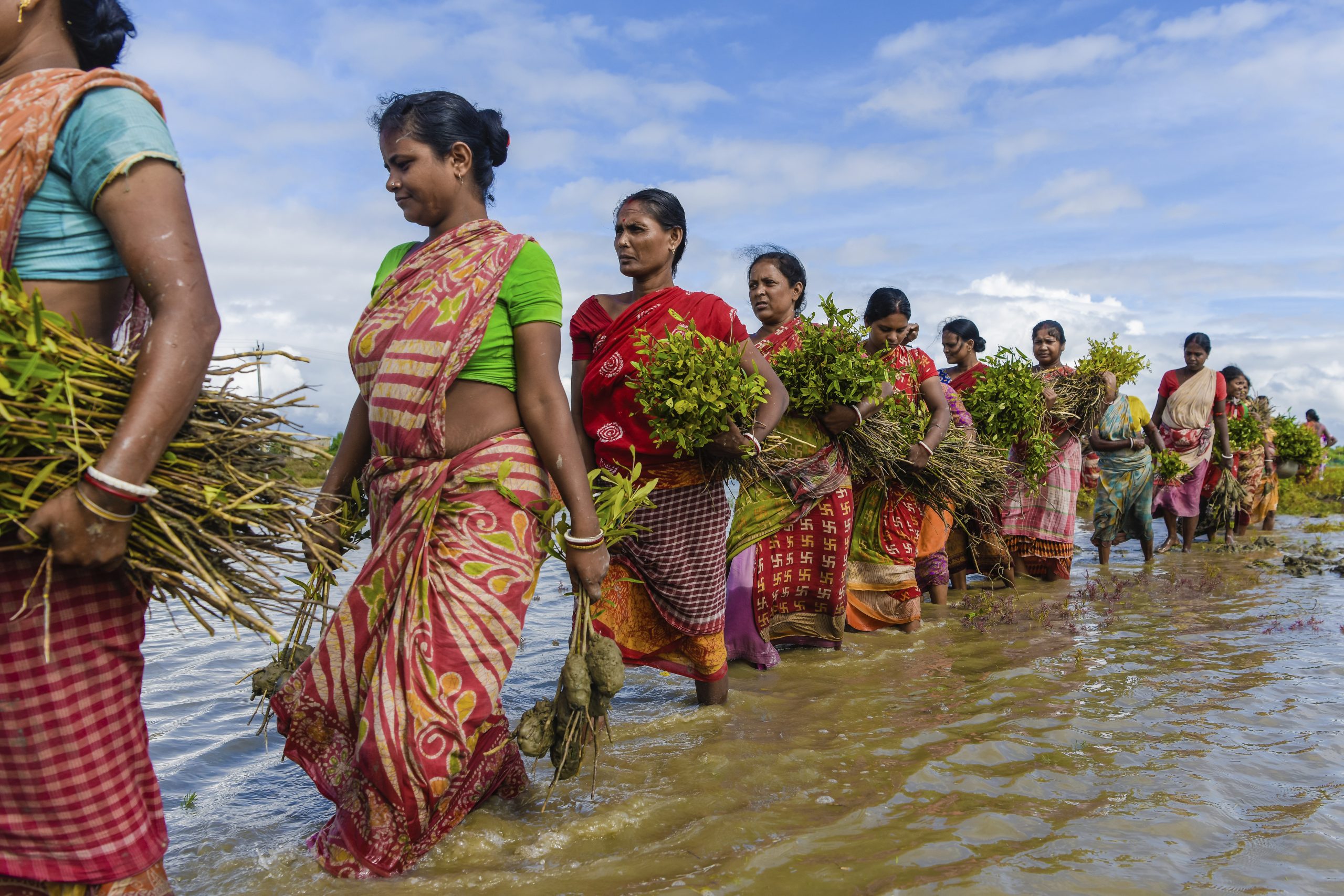
  • Ecosystem-based adaptation for climate resilience 

    How we are supporting ecosystem-based adaptation around the world. Climate change is rapidly transforming our planet. While its effects are being felt globally, some areas of the world face these impacts more acutely. Countries are largely underprepared for the serious consequences associated with longer periods of drought, higher levels of flooding, increased frequency and severity of wildfires and more intense heatwaves caused by climate change.   While there has been global action to reduce greenhouse gas emissions, climate change continues to proceed at a rapid…

    View more

    Ecosystem-based adaptation for climate resilience 
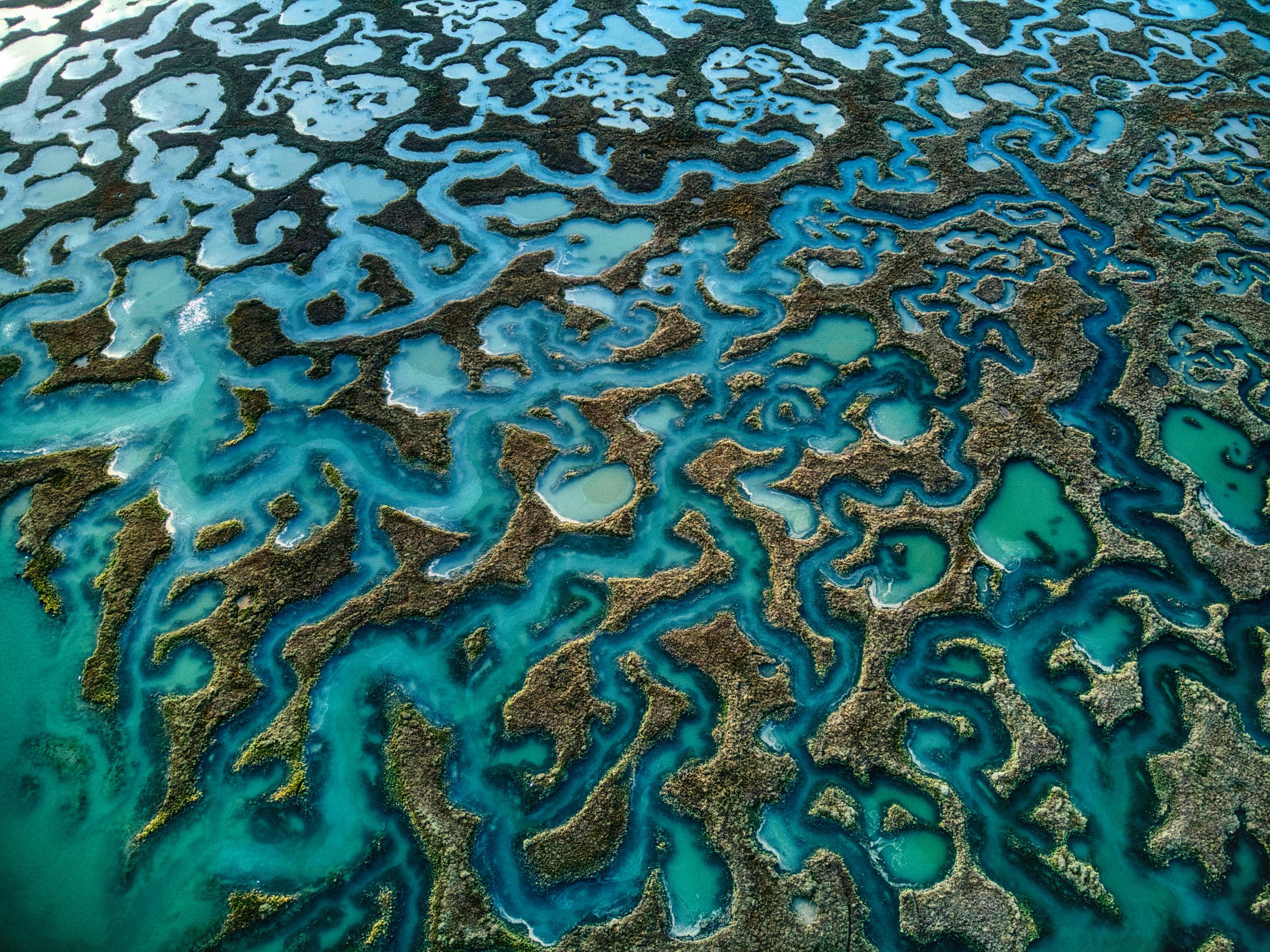
  • Exploring the potential of ’blue carbon’ in Europe 

    How seascape restoration can contribute to climate change mitigation  Author: Reka Marton, Intern, Nature-based Solutions, UNEP-WCMC Marine and coastal ecosystems are increasingly recognized as critical allies in addressing the climate crisis. While terrestrial nature-based solutions, such as the restoration of forests and peatlands, have long dominated global climate strategies, the role of ’blue carbon’ –…

    Exploring the potential of ’blue carbon’ in Europe 
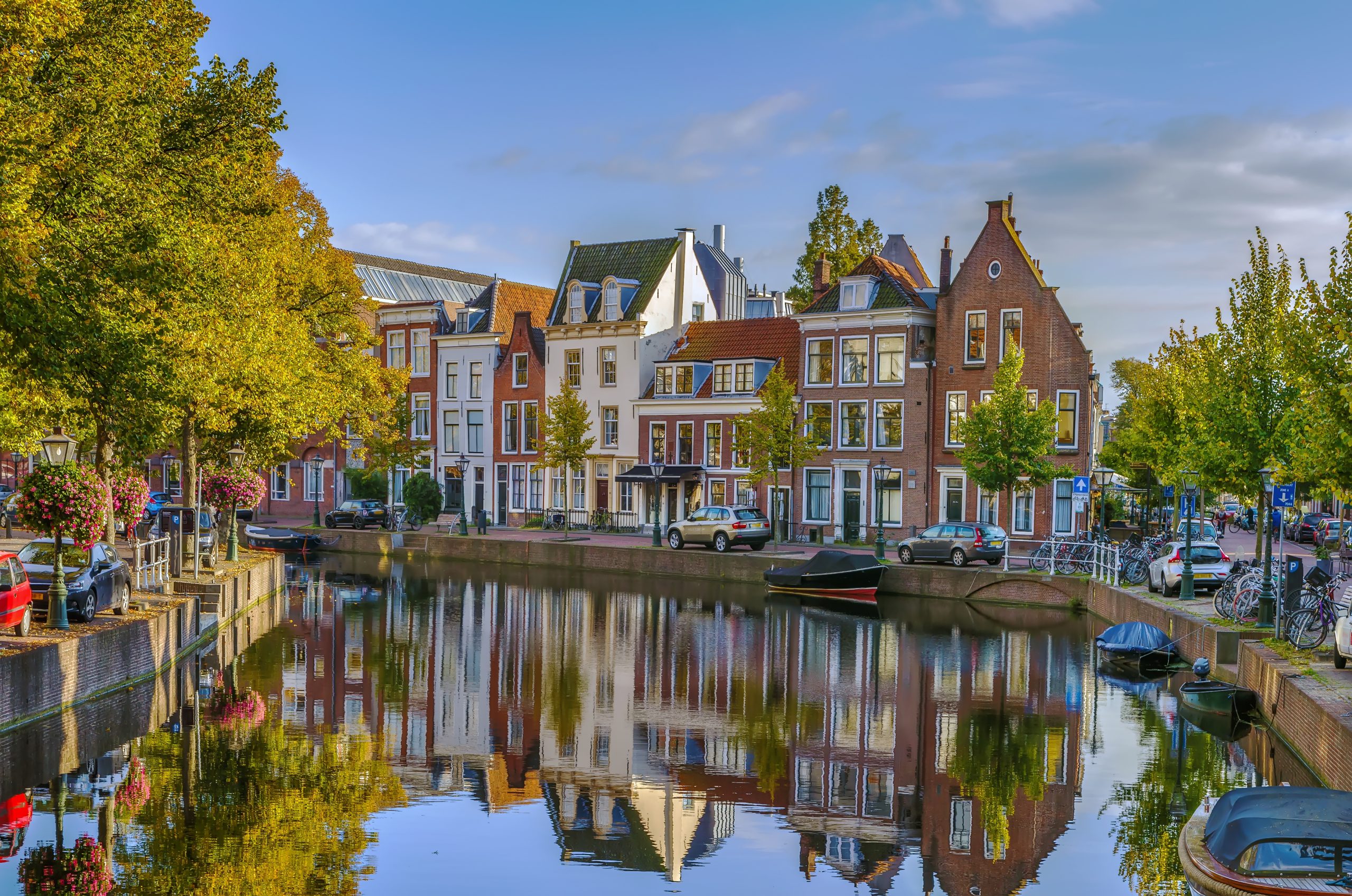
  • Cityscape of Leiden with channel in city center, Netherlands

    What Transformative Change for Biodiversity Really Means 

    Reflections on transformative change from the Biodiversa+ Midterm Conference.  Author: Dr. Boipelo Tshwene-Mauchaza, Technical Specialist in Nature-Based Solutions for Climate Change Mitigation and Adaptation, UNEP-WCMC  Last month, I had the privilege of attending the Biodiversa+ Midterm Conference at the Naturalis Biodiversity Centre in Leiden, The Netherlands. This gathering brought together a diverse range of stakeholders,…

    What Transformative Change for Biodiversity Really Means 
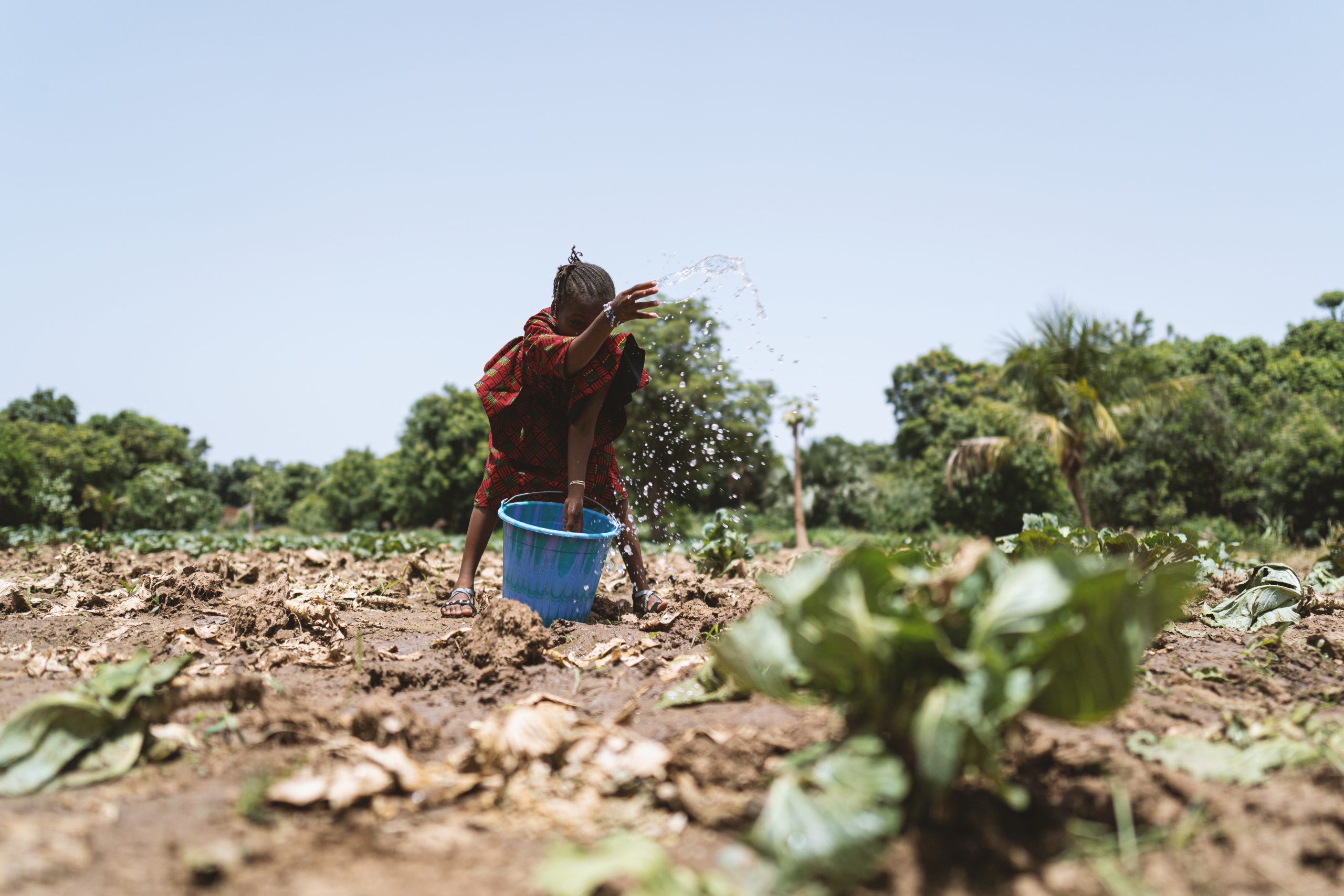
  • A girl watering scattered plants in an arid landscape

    Counting the costs of drought

    With ever-rising temperatures and mounting pressure on natural resources, we must take urgent action to build drought resilience

    View more

    Counting the costs of drought
  • Aerial view of a city at dusk

    Sustainable cities for the future

    How the Chinese city of Yangzhou is cutting plastic pollution and enhancing urban restoration

    Sustainable cities for the future